

Car Dealerships Coeur d’Alene Idaho vs. Spokane Valley In-House Financing

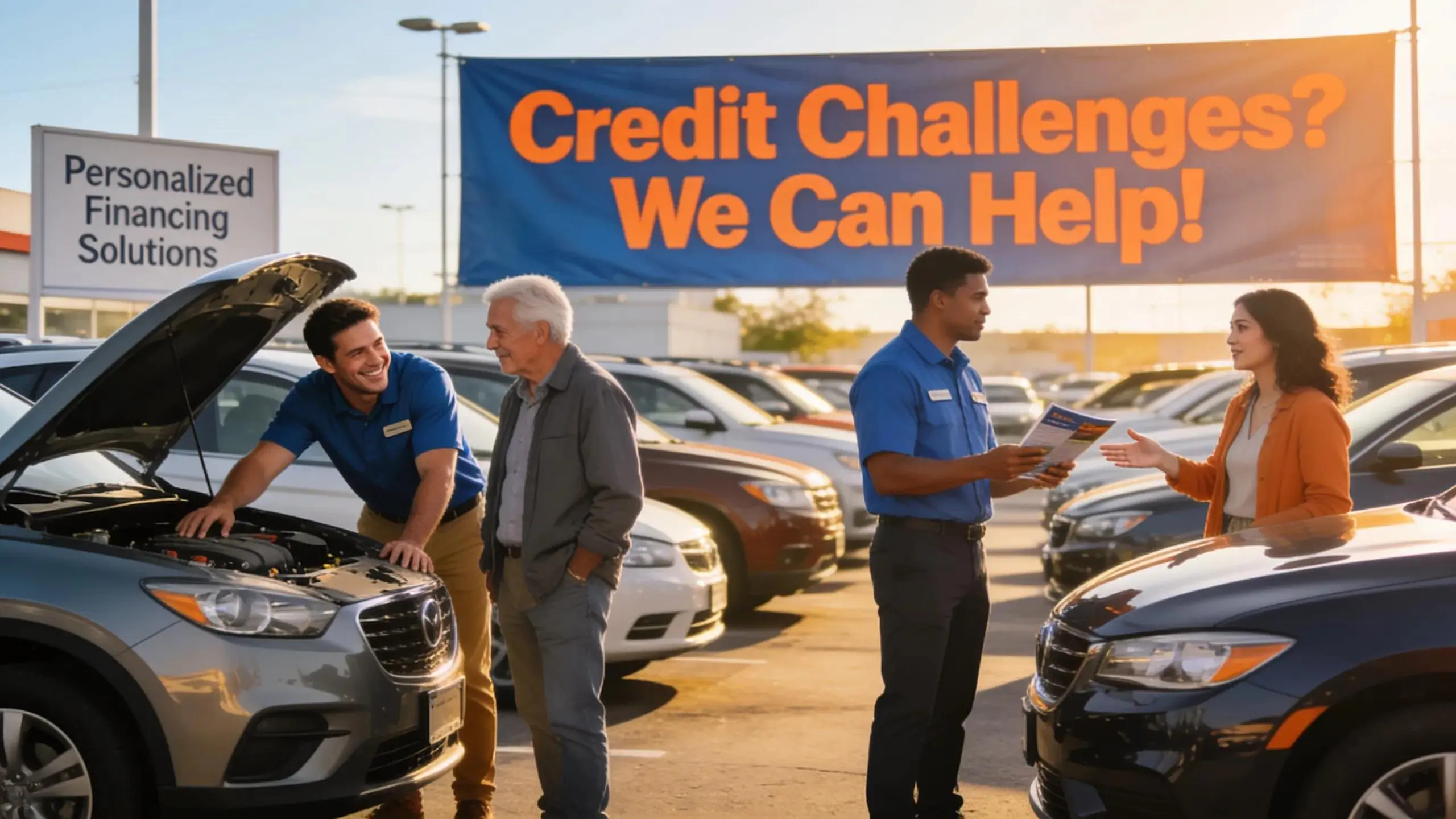
Comparing Car Dealerships and In-House Financing Options in Coeur d’Alene Idaho vs. Spokane Valley for Credit-Challenged Buyers
Navigating the terrain of purchasing a used vehicle can be particularly daunting for individuals facing credit challenges. This article delves into the nuances of in-house financing options offered by car dealerships in both Coeur d’Alene, Idaho, and Spokane Valley, Washington. Readers will discover how these financing solutions cater specifically to those with bad or no credit, providing a pathway to vehicle ownership that traditional financing methods may not offer. We’ll explore the definition of in-house financing, its benefits, and key comparisons between local dealerships, aiming to equip potential buyers with the necessary knowledge to make informed decisions. By examining various advantages, typical credit requirements, and how dealerships can enhance loan approval odds, we will shed light on practical steps buyers can take to secure in-house financing.
What Is In-House Financing and How Does It Benefit Used Car Buyers in Coeur d’Alene and Spokane Valley?
In-house financing is a direct lending process provided by car dealerships where they offer loans to buyers instead of relying on external financial institutions. This method is particularly beneficial for credit-challenged buyers as it streamlines the approval process, allowing for quicker financing decisions compared to traditional bank loans. Additionally, in-house financing often comes with flexible terms and personalized service aimed at addressing individual buyer needs, making it an appealing choice for many.
Auto Credit Sales plays a pivotal role in facilitating this process within the Coeur d’Alene and Spokane Valley regions, focusing on serving used car buyers with unique financing solutions tailored for those with credit challenges.
Understanding the factors that influence auto loan decisions for subprime borrowers is crucial for both buyers and lenders.
Predicting Used Auto Loan Churn for Subprime Borrowers
This paper addresses the use of a customer character model as a determinant of used auto loan churn among a unique population of subprime borrowers. The customer character model (i.e restricted model) is compared to a full model consisting of the 4 Cs of capacity, collateral, credit, and character of churn prediction.
Customer determinants of used auto loan churn: Comparing predictive performance using machine learning techniques, C Valluri, 2022
How Does In-House Financing Work Compared to Traditional Bank Loans?

In-house financing differs significantly from traditional bank loans in terms of the application and approval process. Unlike banks that utilize rigid credit scoring models to determine loan eligibility, dealerships offering in-house financing often consider a wider array of factors, such as the buyer’s income and payment history, which can lead to a more favorable outcome for individuals with problematic credit histories.
Moreover, the turnaround time for loan approval is generally much quicker, allowing buyers to potentially drive away with their vehicle on the same day. This convenience can be crucial for buyers who need immediate transportation, particularly in the fast-paced environments of Coeur d’Alene and Spokane Valley.
What Advantages Does In-House Financing Offer to Customers with Bad or No Credit?
In-house financing presents several key advantages for customers facing credit difficulties:
- Accessibility: It provides opportunities for individuals with bad credit or no credit history to purchase a vehicle.
- Variable Down Payment Options: Many dealerships offer flexible down payment solutions, allowing buyers to customize payments according to their financial circumstances.
- Personalized Support: Dealerships typically provide tailored guidance throughout the buying process, which helps buyers understand their options and make informed decisions.
This personalized approach not only fosters a supportive buying environment but also establishes a pathway for buyers to rebuild their credit through consistent and timely payments.
How Do Car Dealerships in Coeur d’Alene and Spokane Valley Support Buyers Through Credit Challenges?

Dealerships in Coeur d’Alene and Spokane Valley are well-equipped to support buyers facing credit challenges in several ways. Firstly, they offer specialized in-house financing options that are designed for individuals with less-than-perfect credit histories. Secondly, they provide expert advice and step-by-step guidance throughout the car-buying process, ensuring that customers understand their financial commitments and successfully navigate the complexities of financing.
Furthermore, many dealerships emphasize community-focused support, often collaborating with local organizations to further assist buyers in need. This community-oriented approach helps reinforce trust between the buyer and the dealership, creating a more supportive purchasing environment.
What Are Typical Credit Requirements for Auto Loans in These Regions?
In Coeur d’Alene and Spokane Valley, typical credit requirements for auto loans vary, but most dealerships adopting in-house financing implement more flexible criteria than traditional banks. Common requirements may include:
- Minimum Credit Score: Some dealerships may accept credit scores as low as 500, while others might be more lenient.
- Proof of Income: Applicants generally need to demonstrate a stable income source to show they can meet monthly payment obligations.
- Identification and Employment Verification: Buyers must also present valid identification and proof of employment to complete the application process.
This flexibility is particularly beneficial for those who may feel disqualified by traditional credit institutions.
How Do Dealers Improve Loan Approval Odds for Bad Credit Applicants?
Dealers deploy several strategies to enhance the chances of loan approvals for applicants with bad credit. Some of these strategies include:
- Flexible Financing Options: Many dealerships offer tailored financing solutions specifically aimed at accommodating buyers with varying credit histories.
- Preparedness Training: Dealerships often provide resources and advice on how to prepare a strong application, helping applicants present their case more favorably.
- Community Relationships: By fostering strong ties with local lenders and financial institutions, dealerships can negotiate better terms and loan options for their clients.
These strategies collectively ensure that buyers receive adequate support and increased opportunities for financing despite their credit history.
What Used Car Inventory and Financing Options Are Available at Dealerships in Coeur d’Alene vs. Spokane Valley?
When comparing used car inventory and financing options in Coeur d’Alene and Spokane Valley, both regions offer diverse selections across various dealerships. For instance, dealerships in Coeur d’Alene may stock a wider range of SUVs and family vehicles, while Spokane Valley dealerships might emphasize affordability with budget-friendly sedan options.
Additionally, both locations typically provide multiple financing options to meet the needs of different customers. In-house financing is prevalent in both areas, but individual dealership terms may emphasize varying interest rates and down payment structures, reflecting their unique strategies to support credit-challenged buyers.
How Can Buyers Apply for In-House Financing and Schedule Test Drives at Car Dealerships in Both Locations?
Applying for in-house financing at dealerships in Coeur d’Alene and Spokane Valley is a straightforward process:
- Visit the Dealership: Buyers can simply visit the nearest dealership to get started, where staff can assist them through the financing application.
- Online Application: Many dealerships, including Auto Credit Sales, facilitate online applications on their websites, making it convenient for buyers to secure financing from the comfort of their homes.
- Schedule a Test Drive: Once financing is initiated, buyers can schedule test drives directly with dealership representatives, either in person or via the website.
This process ensures that buyers can experience the vehicles they are interested in while managing their financing needs simultaneously.
What Are the Key Differences in In-House Financing Terms Between Coeur d’Alene Idaho and Spokane Valley Dealerships?
While both Coeur d’Alene and Spokane Valley dealerships provide in-house financing, notable differences exist in their specific terms and conditions.
- Interest Rates: Coeur d’Alene dealerships might present slightly higher interest rates due to local market demand, while Spokane dealerships may offer promotional rates during certain periods.
- Loan Term Lengths: Some dealerships in Spokane Valley might provide longer loan terms, allowing buyers to lower monthly payments, whereas Coeur d’Alene options might favor shorter terms with higher payments.
- Incentives: Dealerships in either location may offer unique incentives, such as reduced rates for first-time buyers or veteran discounts, which can influence overall financing terms.
Understanding these differences can help buyers select the most favorable financing option based on their unique circumstances.
What Frequently Asked Questions Do Buyers Have About In-House Financing and Used Car Purchases in These Regions?
When it comes to in-house financing and purchasing used cars, potential buyers often express similar concerns and inquiries:
- Can I get approved with bad credit?: Yes, many dealerships specializing in in-house financing cater specifically to buyers with credit challenges.
- What are the typical down payment amounts?: Down payment requirements can vary widely, but dealerships often work with buyers to find an amount that suits their financial situation.
- Will financing through a dealer affect my credit score?: Applying for financing can impact your credit score; however, the benefit of consistent payments can ultimately improve your score over time.
Being aware of these common questions can help buyers feel more confident as they navigate the financing landscape.
Technical Analysis of Spokane’s Seasonal Effects on Vehicle Components
The Spokane Valley and broader Inland Northwest region experience extreme seasonal temperature variations—from freezing cold winters often well below 20°F (-7°C) to hot, dry summers that can exceed 90°F (32°C). These temperature swings, combined with heavy application of road salt and de-icing chemicals during winter months and fluctuating humidity, have profound impacts on vehicle components. Buyers should understand these effects when assessing used cars in this locale.
Undercarriage and Suspension
Frequent exposure to road salt and de-icing chemicals accelerates corrosion and rust formation on the vehicle’s undercarriage and suspension components such as control arms, springs, shocks, and brake lines. Over time, metallic parts can weaken or fail, compromising vehicle safety and performance. Buyers should thoroughly inspect for rust, pitting, or compromised welds in these critical areas.
Battery Life
Cold temperatures increase battery load requirements and reduce battery capacity, making Spokane’s winters challenging for vehicle batteries. Repeated deep discharges, especially in aging batteries, reduce their lifespan significantly. Buyers should evaluate the battery’s state and age, looking for corrosion on terminals and ensuring reliable cold-cranking amps (CCA) ratings and recent replacement records.
Fluids and Seals
Temperature fluctuations affect fluid viscosity and seal integrity. Engine oil, transmission fluid, coolant, and brake fluid can thicken in cold weather and degrade faster over time, necessitating proper winter-grade fluids and frequent replacement. Rubber seals and hoses may become brittle during cold months and less flexible in hot summers, leading to leaks and mechanical failures. Inspectors should check for fluid levels, discoloration, or leaks to assess maintenance adequacy.
Additional Moisture and Mold Risks
Higher moisture exposure from melting snow and rain can lead to interior and electrical component damage if vehicles are not adequately sealed or maintained. This includes risks of mold growth in upholstery and corrosion in wiring harnesses and connectors.
Diagnostic Checklists: Multi-Point Inspection for Spokane Valley Used Car Buyers
To assist buyers in evaluating vehicles with the above climate-related considerations and overall condition, here is a comprehensive step-by-step inspection checklist:
- Visual Underbody Inspection: Use a flashlight to inspect undercarriage for rust, corrosion, dents, or leaks. Check suspension components (shocks, struts, springs) for wear or damage.
- Body and Paint: Examine exterior panels for uneven paint, dents, or rust bubbles indicating prior repair or corrosion.
- Tires and Wheels: Check tire tread depth and condition for uneven wear, cracks, or dry rot. Inspect wheels for bends or corrosion.
- Engine Bay: Look for fluid leaks, cracked or brittle hoses and belts, corrosion on battery terminals, and verify fluid levels and cleanliness.
- Battery Check: Confirm battery manufacture date (typically stamped) is recent and test voltage with a multimeter if possible.
- Fluid Condition: Inspect engine oil for color and consistency; check coolant and brake fluid for clarity and level.
- Brakes: Test brake pedal feel and look for fluid leaks near brake lines and calipers. Listen for noises while applying brakes during a test drive.
- Interior Condition: Check upholstery for stains or mold, ensure all controls, lights, and infotainment operate properly.
- Electrical System: Test all lights, dashboard indicators, power windows, locks, and other electrical components.
- Test Drive: Evaluate steering response, transmission shifts, engine noise, suspension smoothness, and braking efficacy.
- Documentation: Request maintenance and service records, including evidence of salt-prevention treatments or undercoating applications.
This checklist can serve as a detailed guide for prospective buyers to identify potential issues specific to vehicles exposed to Spokane Valley’s demanding climate conditions.
Impact of Local Factors on Used Car Prices
Used car valuation in Coeur d’Alene and Spokane Valley is influenced by general automotive market trends and localized factors such as mileage relevant to regional driving habits, documented service history, and variable demand based on vehicle type preferences in the local market. Below are markdown tables summarizing these influences:
Commuting and Vehicle Wear Considerations Across Spokane Area
The broader Spokane metropolitan area encompasses a variety of suburbs and neighboring cities including Spokane Valley, Liberty Lake, Post Falls, Coeur d’Alene, Mead, and Cheney. Each of these areas presents unique commuting distances, road conditions, and environmental factors impacting vehicle wear and buyer preferences.
Spokane Valley
Spokane Valley serves as a central suburb with moderate traffic congestion, a mix of paved arterial roads, and residential streets. Daily commutes tend to range from 10 to 20 miles, with dispersed public transit options. Winter weather involves typical snow and ice management affecting driving safety and vehicle salt exposure.
Liberty Lake
Liberty Lake is a growing suburb with more upscale housing developments and scenic routes that may increase demand for SUVs and all-wheel-drive vehicles due to occasional off-road and recreational driving. Commuters can expect longer drives to Spokane proper, typically 15-25 miles. Elevation and microclimate differences may slightly intensify winter driving demands.
Post Falls and Coeur d’Alene
These Idaho suburbs experience substantial winter snowfall with often colder temperatures than Spokane. Roads may have more sustained periods of salt application leading to higher corrosion risk. Commuting distances to Spokane can be 20-30 miles or more, making vehicle reliability and fuel efficiency key considerations.
Mead and Cheney
These smaller communities have rural road networks with potentially less frequent winter road maintenance coverage, increasing wear on suspension and undercarriage components. Road surface quality can vary significantly, requiring sturdier vehicles with good ground clearance.
Overall Considerations
- Road Salt and Winter Maintenance: Frequent road salt use in these suburbs necessitates robust rust prevention and ongoing vehicle maintenance.
- Commuting Patterns: Longer commute distances mean increased mileage considerations and a need for fuel-efficient yet durable cars.
- Elevation and Weather Impact: Variations in elevation and precipitation across suburbs influence tire and braking system wear rates.
Understanding these logistical aspects helps buyers select appropriately equipped vehicles tailored to their specific local needs, minimizing future repair costs and maximizing vehicle longevity.